Living in Portsmouth means living with the water. The Elizabeth River wraps around our waterfront, Olde Towne, and Port Norfolk, and everything that flows off our streets and yards eventually finds its way into the river and, beyond it, the Chesapeake Bay watershed. That reality shapes how our city handles trash and recycling. Whether you are doing a weekend garage cleanout in Churchland, gutting a kitchen near High Street, or hauling storm debris after a nor'easter, knowing how Portsmouth's waste system works helps you dispose of material legally, keep it out of the river, and avoid the fees and headaches that come with doing it wrong.
This guide walks through how curbside collection, bulk and brush pickup, the regional SPSA facilities, construction debris diversion, household hazardous waste, e-waste, and storm cleanup fit together here in Hampton Roads, and where a roll-off dumpster makes the biggest jobs manageable. Programs, dates, and accepted materials change, so treat this as a starting point and verify current specifics with the City of Portsmouth, the Southeastern Public Service Authority (SPSA), and the Virginia Department of Environmental Quality (DEQ) before you haul.
City of Portsmouth Curbside Trash and Recycling
The City of Portsmouth provides weekly curbside collection for most single-family households using city-issued roll carts. Your regular household garbage goes in the trash cart and is collected on your scheduled day. Carts should be at the curb the night before or early on collection morning, with the lid closed and the wheels toward the house so the automated truck arm can grab them. Overflowing carts, bags stacked beside the cart, and loose items are frequently left behind, which is one of the most common reasons a cleanout overwhelms curbside service.
Recycling in Portsmouth is single-stream, meaning accepted paper, cardboard, metal cans, glass, and plastics go together in one recycling cart and are sorted later at a materials recovery facility. The golden rule of single-stream is "when in doubt, throw it out" of the recycling cart. Items that do not belong, often called contamination, cause real problems: plastic bags tangle the sorting machinery, food-soiled pizza boxes and greasy containers spoil otherwise good paper, and "wishcycling" hard-to-recycle plastics can send an entire load to the landfill.
What Generally Belongs in Your Recycling Cart
- Clean, dry cardboard and paperboard, flattened to save space
- Mixed paper, newspaper, magazines, and junk mail
- Aluminum and steel food and beverage cans, rinsed
- Glass bottles and jars (confirm current acceptance, as glass rules shift regionally)
- Plastic bottles and jugs, typically marked #1 and #2, empty and rinsed
What to Keep Out of the Recycling Cart
- Plastic bags, film, and bubble wrap (return bags to store drop-off bins instead)
- Food waste, liquids, and greasy or food-soaked paper and boxes
- Styrofoam, plastic utensils, and single-use cups
- Scrap metal, electronics, batteries, and light bulbs
- Construction debris, yard waste, and household hazardous products
Because accepted materials and the exact numbering on plastics can change with market conditions, check the City of Portsmouth's current recycling list before tossing anything questionable. A cleaner recycling stream keeps costs down for the whole city and keeps more material out of the regional landfill.
Bulk and Brush Pickup
Some items are simply too big for a roll cart. Portsmouth offers bulk collection for large household items such as furniture, mattresses, and appliances, along with separate brush and yard-debris pickup. These programs typically require you to place material at the curb on specific days or to call ahead to schedule a collection, and there are usually limits on volume, length, and the number of items per pickup. White goods like refrigerators and freezers often need the refrigerant professionally removed before they can be collected, so confirm the rules first.
Brush and limbs are generally collected separately from household bulk so they can be processed into mulch rather than buried, which supports the region's diversion goals. If you are clearing a large amount of material at once, such as an estate cleanout or a full-house declutter, the per-pickup limits can stretch the project across several weeks. When you want the material gone in a day, a roll-off dumpster is usually faster and far less frustrating than rationing out curbside bulk pickups. Our junk removal service is another option when you would rather have a crew do the loading for you.
SPSA: The Regional Backbone of Hampton Roads Waste
Portsmouth does not manage disposal entirely on its own. The Southeastern Public Service Authority, or SPSA, is the regional agency that handles municipal solid waste for Portsmouth and its neighboring Hampton Roads communities. SPSA operates the regional landfill in Suffolk along with a network of transfer stations and convenience and recycling centers across South Hampton Roads. When the city's trucks collect your trash, that material ultimately moves through the SPSA system rather than a local dump.
For residents, the most useful part of the SPSA network is the transfer stations and convenience centers, which accept materials that curbside service does not take or that you simply want to haul yourself. Depending on the specific location, these facilities may accept household trash, bulky items, scrap metal, tires, and certain recyclables. Tipping fees, accepted materials, resident versus commercial rules, and hours vary by site and by whether you arrive in a car, pickup, or trailer, so always confirm with SPSA directly before loading your vehicle. Bring proof of residency if the site requires it, and be prepared for the facility to weigh or inspect your load.
SPSA is also where construction and demolition material, often called C&D, is handled regionally. If you are a contractor or an ambitious do-it-yourselfer, understanding that disposal flows through SPSA helps you budget for tipping fees and plan diversion of reusable or recyclable material before the rest goes to the landfill.
Construction and Demolition Debris Diversion
Renovation and demolition generate some of the heaviest, most awkward waste a property owner will ever deal with. Drywall, lumber, shingles, concrete, brick, tile, old cabinetry, and flooring add up fast, and much of it is far too heavy or bulky for curbside collection. Portsmouth's waterfront housing stock, including older Olde Towne and Port Norfolk homes, means plenty of remodels that produce exactly this kind of mixed debris.
Before everything goes in one pile, think about diversion. Clean wood, metal, concrete, and brick can often be recycled or reused rather than landfilled, which both reduces tipping fees and keeps usable material in circulation. Many fixtures, doors, and architectural salvage pieces find second homes through reuse outlets. Asphalt shingles and clean concrete in particular have established recycling markets in the region. For a deeper walkthrough of sorting and disposing of jobsite material responsibly, see our guide on how to dispose of construction debris.
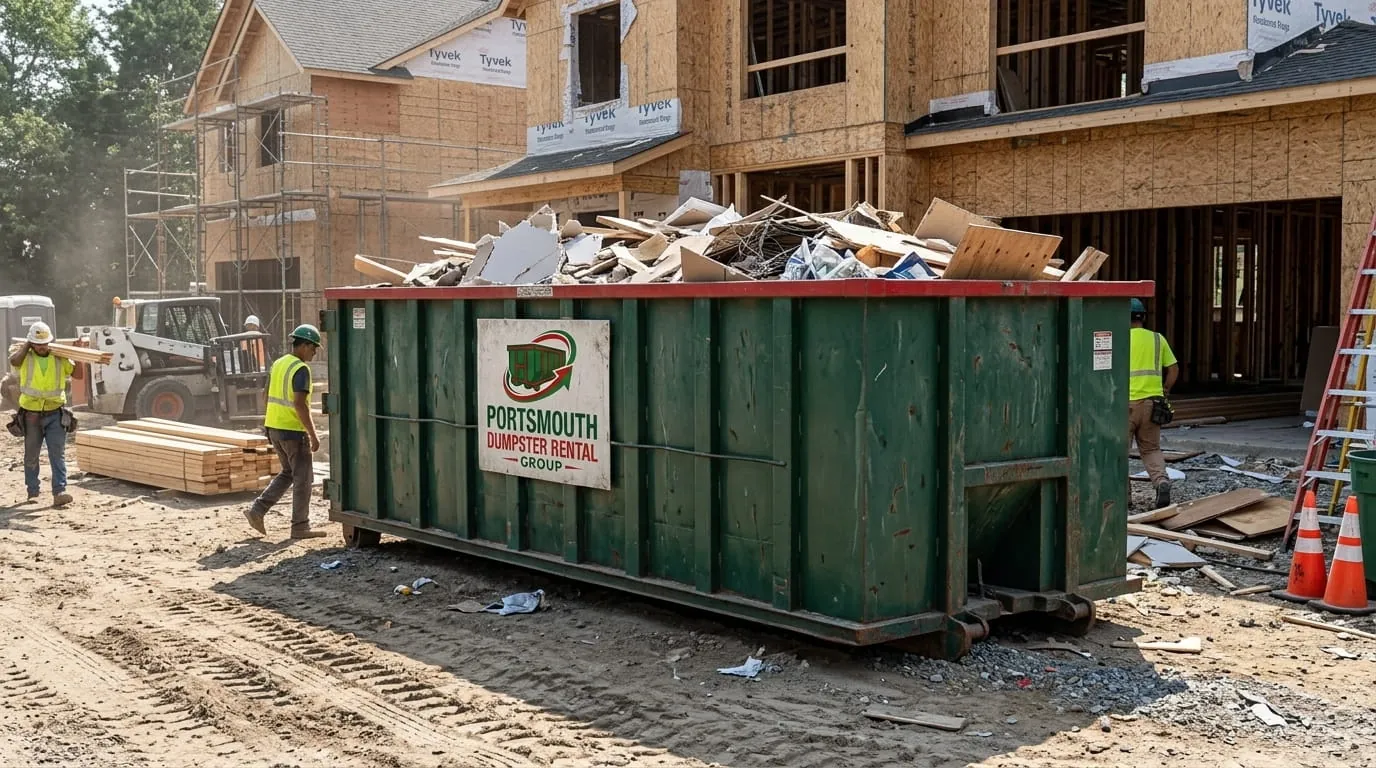
For most remodels, the practical answer is a dedicated roll-off dumpster on site. It keeps debris contained, off the street, and out of stormwater drains that lead straight to the Elizabeth River. Heavy material like concrete and roofing usually calls for a smaller container with a lower weight allowance, while light, bulky demolition debris suits a larger box. If you are unsure what can and cannot go in the container, our article on what can go in a dumpster breaks it down, and our residential dumpster rental page covers sizing for home projects.
Household Hazardous Waste
Paint, solvents, pesticides, pool chemicals, motor oil, antifreeze, and similar products should never go in your regular trash cart, down a drain, or into a storm sewer. In a waterfront city, a carelessly dumped can of paint thinner or used oil can travel through stormwater straight into the river and the broader Chesapeake Bay watershed, where it harms aquatic life and the shellfish beds the region depends on.
Household hazardous waste is instead collected through designated programs, which in the Hampton Roads area are commonly offered as periodic collection events or through specific drop-off arrangements coordinated by the city and SPSA. Because these events move around the calendar and the accepted list changes, we deliberately are not listing fixed dates or locations here. Check the City of Portsmouth and SPSA for the current schedule, accepted materials, and quantity limits before you load anything hazardous into your vehicle, and transport containers upright, sealed, and clearly labeled.
A roll-off dumpster is not a solution for hazardous material. These products are specifically prohibited from dumpsters and landfills, so set them aside for the proper hazardous waste channel even when you are doing a large cleanout.
Electronics and E-Waste
Old televisions, computers, monitors, printers, and phones contain metals and components that do not belong in the landfill and that have real recycling value. Many electronics also contain small amounts of hazardous material, which is another reason they are kept out of the regular trash and dumpster streams.
Electronics recycling in the region is handled through dedicated e-waste drop-off programs, retailer take-back options, and occasional collection events. Rechargeable batteries and the lithium-ion batteries in devices deserve special care, because damaged batteries are a known fire risk in trucks and at sorting facilities. Never toss loose batteries in your recycling or trash cart. Confirm current e-waste drop-off options with the City of Portsmouth and SPSA, and wipe or destroy any personal data on devices before recycling them.
Yard and Storm Debris After Hurricanes and Nor'easters
Hampton Roads sits squarely in hurricane country, and Portsmouth also takes a beating from nor'easters and the flooding that follows. After a major storm, downed limbs, uprooted shrubs, soggy drywall, ruined furniture, and waterlogged carpet can pile up faster than any normal collection schedule can handle.
Following a declared storm event, the city often organizes special storm-debris collection, sometimes with separate passes for vegetative debris, construction and demolition material, appliances, and hazardous waste. To benefit from these passes, debris usually must be sorted into separate piles at the curb, kept out of the street and off storm drains, and placed where crews can reach it without blocking traffic. Mixing categories can mean your pile gets skipped. Watch the city's announcements closely after a storm, because the rules and timing are specific to each event.
For routine yard work, Portsmouth's brush and yard-waste collection handles limbs, leaves, and grass, and our yard waste removal service can take the load off when the volume is large. When storm cleanup involves gutting water-damaged interiors, a roll-off dumpster is often the only realistic way to clear a flooded home quickly while keeping debris contained and out of the river.
Protecting the Elizabeth River and the Chesapeake Bay
Every disposal decision in Portsmouth has a downstream effect, literally. Trash blown off an open truck, debris swept into a storm drain, paint poured onto pavement, or grass clippings raked into the gutter all end up in the Elizabeth River and contribute to the pollution load on the Chesapeake Bay. A few habits go a long way: keep cart lids closed, never put anything down a storm drain, cover loose loads when hauling, sweep up rather than hose down, and tarp your dumpster if open material could blow out in a storm. These small steps keep our waterways cleaner and keep you on the right side of Virginia's stormwater and environmental rules.
How a Dumpster Fits Big Cleanouts and Renovations
Curbside trash, bulk pickup, and SPSA centers cover everyday needs and smaller loads. But when the job is large, concentrated, and on a deadline, a roll-off dumpster is the tool that ties it together. A single container on your driveway handles a whole-house cleanout, a kitchen or bath remodel, a roof tear-off, a flooring job, or storm recovery without dozens of trips to a transfer station or weeks of rationed curbside pickups.
Right-sizing matters. A 10 or 15 cubic yard box suits heavy, dense debris like concrete and roofing where weight is the limiting factor, while a 20, 30, or 40 yard box handles the bulky, lighter volume of a full cleanout or major renovation. Keep prohibited items such as hazardous waste, liquids, tires, batteries, and electronics out of the container, and separate recyclable material where you can to reduce what goes to the landfill. For a full overview of options, visit our services page, and when you are ready to talk through the right container for your Portsmouth project, our team is a quick call away.
Not sure where to start? Call Portsmouth Dumpster Rental Group at (757) 337-2599 or reach out through our contact page. We will help you choose the right size, schedule delivery around your project, and make sure your debris is handled responsibly, keeping it out of the Elizabeth River and the Chesapeake Bay watershed while keeping your cleanout on track.
Owner, Portsmouth Dumpster Rental Group — sharing straight advice from years of local hauling across Portsmouth and Hampton Roads.
Frequently Asked Questions
Does the City of Portsmouth provide curbside recycling?
Yes. Portsmouth provides single-stream curbside recycling using a city-issued cart, so accepted paper, cardboard, metal cans, glass, and common plastics go together in one cart and are sorted later. Keep plastic bags, food waste, and non-recyclables out to avoid contamination, and confirm the current accepted-materials list with the City of Portsmouth, since recycling rules change.
What is SPSA and where does my Portsmouth trash go?
SPSA, the Southeastern Public Service Authority, is the regional agency that handles municipal solid waste for Portsmouth and its Hampton Roads neighbors. It operates the regional landfill in Suffolk plus transfer stations and convenience and recycling centers. Material collected at your curb moves through the SPSA system. You can also self-haul certain items to SPSA centers, but fees, accepted materials, and hours vary by site, so verify with SPSA first.
How do I get rid of construction debris from a Portsmouth remodel?
Renovation debris like drywall, lumber, shingles, and concrete is too heavy and bulky for curbside carts. The practical solution is a roll-off dumpster on site, which keeps debris contained and out of storm drains that lead to the Elizabeth River. Divert clean wood, metal, and concrete for recycling where possible, and confirm C&D disposal and tipping fees through SPSA. Our guide on disposing of construction debris and our residential dumpster rental page can help you plan.
Where do I take household hazardous waste and electronics in Portsmouth?
Paint, solvents, pesticides, motor oil, batteries, and electronics must never go in your trash cart or a dumpster. They are collected through designated household hazardous waste events and e-waste drop-off programs coordinated by the City of Portsmouth and SPSA. Because dates, locations, and accepted items change, check the City and SPSA for the current schedule before hauling, and transport containers sealed, labeled, and upright.
What should I do with storm and yard debris after a hurricane or nor'easter?
After a declared storm, Portsmouth often runs special debris collection with separate passes for vegetation, construction material, appliances, and hazardous waste, so sort piles at the curb and keep them off storm drains and out of the street. For routine yard waste use the city's brush program or our yard waste removal service, and for gutting water-damaged interiors a roll-off dumpster is usually the fastest way to clear a home while keeping debris out of the river.