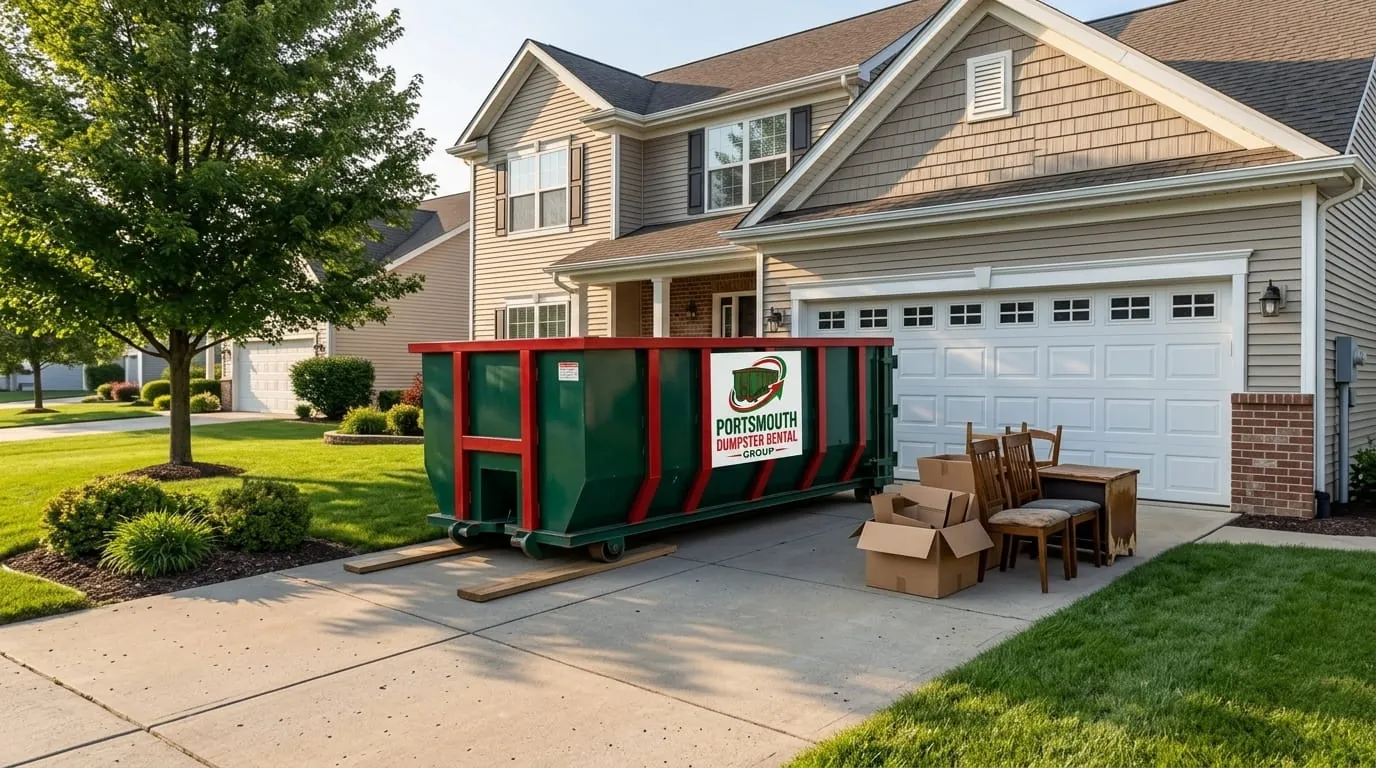
Clearing out the home of someone you love is one of the hardest jobs a family ever takes on. The house in Olde Towne or Cradock is full of a lifetime of choices, keepsakes, and ordinary things that suddenly feel anything but ordinary. For many Portsmouth families, it is also tangled up with grief, with out-of-town siblings, with military deployments, and with the practical pressure of a probate timeline. This checklist is here to make the work feel less overwhelming. We will move from the things you must protect first, through sorting and donating, to the practical questions of hauling away what is left and when to bring in help.
There is no prize for finishing fast. Take it room by room, and give yourself permission to sit with a photograph for a while. The goal is to honor the person and the home while making steady, manageable progress.
Before You Touch Anything: Secure Valuables and Documents
The single most common regret families share after an estate cleanout is throwing something away too quickly. Before a single box leaves the house, walk through and secure the things that cannot be replaced. This protects the estate, prevents disputes among heirs, and gives you a calm starting point.
- Legal and financial documents. The will, trust papers, deeds to the Portsmouth property, vehicle titles, insurance policies, bank and brokerage statements, tax returns, Social Security and military records, and pension or VA paperwork. Hampton Roads has a large population of veterans and retired service members, so look carefully for DD-214 discharge papers and benefits records.
- Identification and small valuables. Passports, birth and marriage certificates, jewelry, watches, coins, cash tucked into drawers or books, and safe-deposit box keys. Older relatives often hid money in unexpected places, so do not rush the attic or the backs of closets.
- Digital access. Phones, laptops, and any list of passwords. Email and online accounts often hold bills, photos, and subscriptions that need to be closed.
- Prescriptions and firearms. Dispose of medications safely and handle any firearms according to Virginia law, ideally with help from a licensed dealer or the family attorney.
Put these items in one clearly labeled box or bin that stays with the executor. Everything else can wait.
Understand Your Role and the Virginia Timeline
In Virginia, the estate is administered through the Circuit Court of the city where the person lived. For Portsmouth residents, that means the Portsmouth Circuit Court, where the executor or administrator qualifies and is overseen by the Commissioner of Accounts. The executor is responsible for inventorying assets, settling debts, and distributing property according to the will or state law.
What this means for your cleanout is simple but important: do not dispose of or give away anything of real value until the executor has done an inventory and you understand what the estate requires. If the house is being sold, you may have a firm deadline from a realtor or settlement. If siblings are splitting belongings, agree on a method before the sorting starts. A little coordination up front prevents painful conflict later. When in doubt, check with the estate attorney before the dumpster arrives.
The Five-Bucket Sorting System
Once valuables are secured and you know your timeline, the actual work becomes a sorting exercise. Give every item one of five destinations. Painter's tape and a marker to label zones in each room will keep things from blurring together.
1. Keep
Items an heir wants, sentimental pieces, and anything the executor has flagged. Keep this pile honest and small. Photographing an object is a gentle way to hold the memory without keeping the physical thing, which matters when out-of-town heirs are coordinating remotely and cannot take furniture home.
2. Distribute
Items promised to specific family members or named in the will. Tag them clearly and, if heirs are scattered across the country or deployed, take photos and share them so everyone agrees before pieces leave the house. This is where disputes usually start, so document generously.
3. Donate
Usable clothing, housewares, furniture, and books that no one in the family needs. Portsmouth and the wider Hampton Roads area have strong donation options, covered below.
4. Sell
Antiques, collectibles, quality furniture, tools, and jewelry that carry resale value. An estate sale company or consignment shop can turn these into funds for the estate.
5. Dispose
Broken furniture, worn carpet, water-damaged boxes, old mattresses, and the sheer volume of accumulated stuff that fills the attics and garages of long-held family homes. This is the pile a dumpster is built for.
Working Room by Room
Trying to clear a whole house at once is exhausting and leads to mistakes. Work one room at a time and finish it before moving on. A clear, step-by-step approach helps, and our room-by-room home cleanout checklist breaks down each space in detail.
In Portsmouth's historic homes, the attic and garage usually hold the heaviest surprises. Decades of holiday decorations, paint cans, old electronics, and furniture stack up in these spaces. Start with the rooms that are emotionally easier, such as a utility room or garage, and save bedrooms and the most personal spaces for when you have found your rhythm. Keep a donation box, a trash bag, and a keep bin in each room as you go so you are sorting in real time rather than creating new piles to sort again later.
What Size Dumpster for an Estate Cleanout?
Estate cleanouts almost always produce more waste than families expect. A lifetime of belongings, plus the furniture, carpet, and general clutter that nobody wants, adds up fast. Renting a dumpster lets you keep the project moving instead of making endless trips to the transfer station in a car that was never meant to haul a sofa.
- 10-yard: Good for a small apartment, a single packed room, or a focused garage cleanout.
- 20-yard: The workhorse for most estate cleanouts. A 20-yard dumpster handles the furniture, boxes, and household debris from a typical two or three bedroom Portsmouth home without feeling cramped, and it still fits on most driveways.
- 30-yard: Worth considering for a large home with a full attic, a finished basement, or a multi-decade accumulation in Churchland or Port Norfolk where storage space was never in short supply.
If you are unsure, it is usually better to size up. Ordering one slightly larger dumpster costs less and causes less disruption than scrambling for a second haul halfway through. You can see the full lineup and typical uses on our services page, and our team is glad to talk through the right fit for your home over the phone.
Dumpster Placement in Portsmouth Neighborhoods
Where the dumpster sits matters, and it varies by neighborhood. In the suburban stretches of Churchland and the newer corners of the city, most homes have wide driveways that make placement simple. The driver drops the container where it is convenient, and you load at your own pace.
The historic districts call for more care. Olde Towne, Port Norfolk, and parts of Cradock have narrow streets, tight setbacks, and homes close to the curb. We place containers carefully to protect pavers, tree roots, and parked cars, and we can advise on whether the driveway or street works better for your particular block. If the city requires any street placement permit, it is a quick conversation to sort out before delivery. Let us know the neighborhood when you call and we will plan the drop accordingly.
Donation and Consignment Options in the Portsmouth Area
Donating gives usable items a second life and can ease the emotional weight of letting go. Many families find it comforting to know a neighbor will use a loved one's furniture or coat. Hampton Roads has a wide network of options:
- Habitat for Humanity ReStore accepts furniture, appliances, building materials, and housewares, and many locations will arrange pickup for larger pieces.
- Goodwill and The Salvation Army operate drop-off and donation centers across the Portsmouth and greater Hampton Roads area for clothing, housewares, and smaller furniture.
- Local thrift and church-affiliated shops often welcome donations and serve the immediate community.
- Consignment and estate sale companies around Hampton Roads can handle antiques, quality furniture, and collectibles, taking a percentage while turning items into funds for the estate.
- Veterans' charities are a meaningful choice for military families and often accept vehicle and household donations.
Call ahead to confirm what each organization accepts and whether pickup is available, since policies change. Ask for donation receipts, as they can matter for the estate's records and taxes.
When to Hire Help
Some families want to do every bit of the sorting themselves, and that is a valuable part of grieving. Other times, bringing in help is the kindest thing you can do for yourself. Consider professional support when:
- The home holds decades of belongings and the sheer volume feels impossible.
- Heirs live out of town or are deployed and cannot be on site for long.
- There is a firm sale or settlement deadline from the Circuit Court process or a realtor.
- Heavy furniture, appliances, or hazardous materials need safe handling.
- The emotional toll is simply too much to carry alone.
You can combine services to match your situation. Many families handle the personal sorting themselves, then lean on our junk removal team for the heavy lifting and a full estate cleanout for everything that is left. The mix is up to you, and there is no wrong answer.
A Gentle Pace Is the Right Pace
Grief does not follow a schedule, and neither should you, within the limits the estate requires. Build in breaks. Keep water and snacks on hand during long days in a hot Tidewater attic. Invite family to work alongside you when you can, and let stories be told. The work of clearing a home is also the work of remembering, and both deserve room.
When you are ready for the practical side, we are here to make it easier. Portsmouth Dumpster Rental Group has helped families across Olde Towne, Port Norfolk, Cradock, Churchland, and the rest of the city clear beloved homes with care and respect. Call us at (757) 337-2599 or reach out through our contact page and we will help you choose the right dumpster, plan a careful placement, and move at the pace that is right for your family.
Owner, Portsmouth Dumpster Rental Group — sharing straight advice from years of local hauling across Portsmouth and Hampton Roads.
Frequently Asked Questions
What should I do first when starting an estate cleanout in Portsmouth?
Secure valuables and important documents before anything else. Gather the will, deeds, titles, insurance and bank records, military papers such as a DD-214, jewelry, and any cash hidden in drawers or books. Put them in one labeled box that stays with the executor. Only after the valuables are safe and the executor has inventoried the estate should you begin sorting and disposing of belongings.
What size dumpster do I need for an estate cleanout?
For most Portsmouth homes, a 20-yard dumpster is the right choice. It handles the furniture, boxes, and household debris from a typical two or three bedroom house and still fits on most driveways. A larger home with a packed attic or basement, common in Churchland or Port Norfolk, may call for a 30-yard. When unsure, size up, since one larger dumpster costs less than arranging a second haul.
How does Virginia probate affect clearing out the home?
In Virginia, the estate is administered through the Circuit Court of the city where the person lived, so for Portsmouth residents that is the Portsmouth Circuit Court, overseen by the Commissioner of Accounts. The executor must inventory assets and settle the estate before distributing property. Do not dispose of or give away anything of real value until the executor has completed the inventory, and check with the estate attorney if you are unsure.
Where can I donate items from a loved one's home in Hampton Roads?
The Portsmouth area has many options. Habitat for Humanity ReStore takes furniture, appliances, and housewares and often arranges pickup. Goodwill and The Salvation Army accept clothing and smaller furniture at drop-off centers across Hampton Roads. Local thrift shops, church-affiliated stores, and veterans' charities are also good choices. Call ahead to confirm what each accepts, and ask for a donation receipt for the estate's records.
Can you place a dumpster in a historic Olde Towne neighborhood?
Yes. Suburban areas like Churchland usually have wide driveways that make placement simple. In historic districts such as Olde Towne, Port Norfolk, and Cradock, where streets are narrow and homes sit close to the curb, we place containers carefully to protect pavers, tree roots, and parked cars, and we can advise whether the driveway or street works best. Just tell us the neighborhood when you call and we will plan the drop accordingly.